

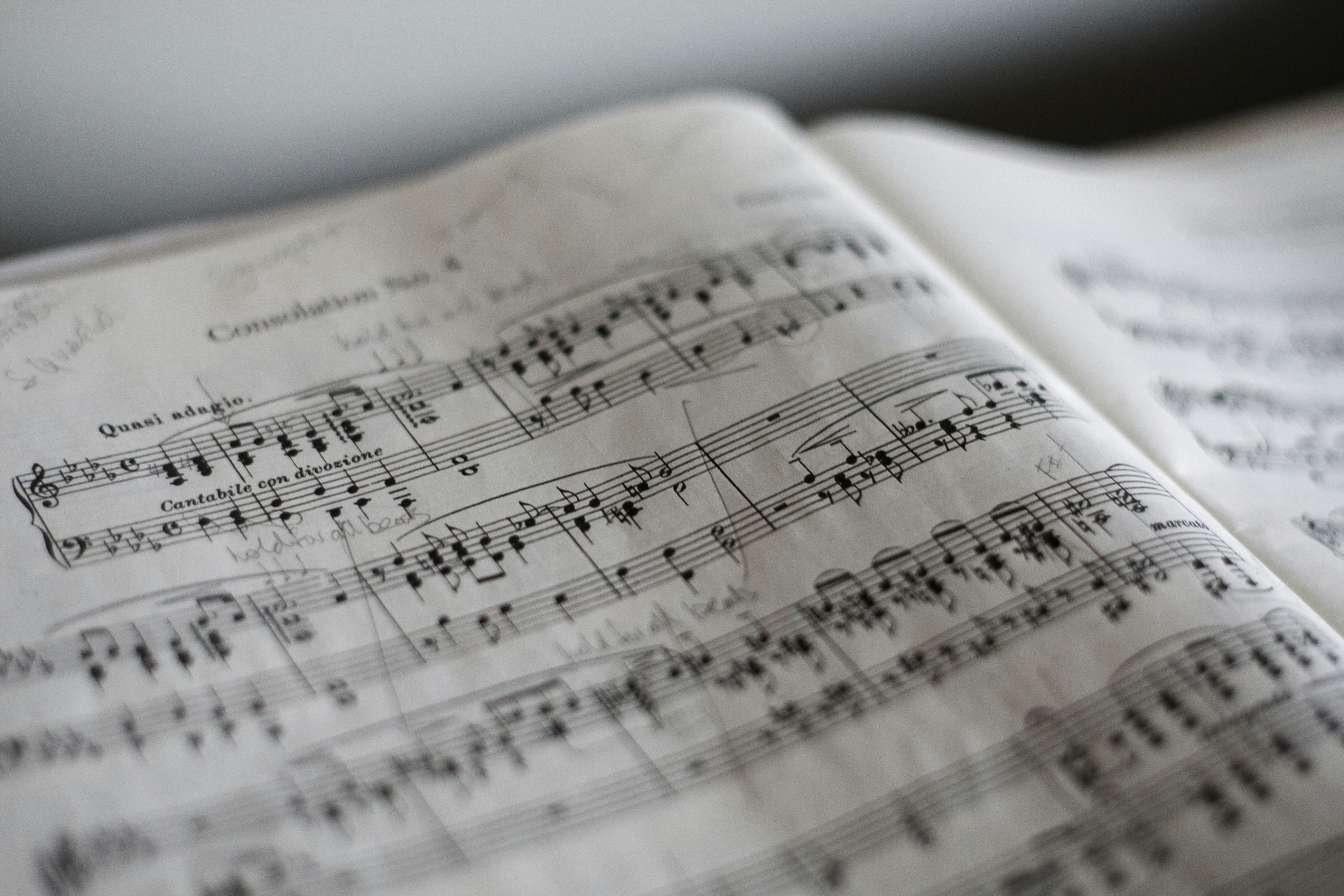
I walked along Basztowa Street as chestnut and poplar trees awakened from winter’s sleep. A sweet soprano voice slipped out a second floor window. I stopped. I listened. Were those lyrics…Russian? I noticed the sign on the building’s entrance: “State School of Music, Krakow Division.”
I stepped inside and, on a youthful whim, inquired about voice lessons. Could there be a place for this soprano from Massachusetts?
The receptionist eyed me with skepticism. Few Americans hung out behind Poland’s Iron Curtain as university exchange students. I imagined fewer, if any, asked to study at this school. I said I could pay with U.S. Dollars.
“Wait here,” she said.
I sat on the steps, feeling suddenly unnerved by my audacious inquiry. A knock on a studio door interrupted the sweet soprano. The receptionist returned, “Ms. Lehnert asks you to wait.”
Sonia Jaskula-Lehnert, a plump woman in her fifties, approached, looked me up and down, and said, “Let’s first see if you can sing.” We started with scales.
I dutifully showed up each week for lessons with a crisp U.S. dollar bill — a highly valued, scarce currency traded on the Black Market in 1980s communist Poland. Ms. Lehnert had been a professional opera singer. She demanded precision in posture, breath and articulation. She taught me to roll Rs and encouraged my emerging vibrato. She introduced me to the works of Wladyslaw Zielenski (1837-1921), a Polish composer whose operas incorporated folklore themes.
Ours was a formal, teacher-pupil relationship and yet, stories from Ms. Lehnert’s life trickled out. She told me she was taken from her family and deported to Germany as a forced laborer during WWII. She spoke of the sheer terror many Polish women felt, at war’s end, of their Russian “liberators” — many of whom brutally raped former female prisoners.
“We hid from Russian soldiers,” she said.
One year later, I was auditioning for admission to the Krakow Conservatory of Music. Ms. Lehnert encouraged me to apply and helped me prepare my piece. If accepted, I’d receive a full scholarship.
My twenty-one-year-old self preferred living in Europe, even communist Europe; I wasn’t ready to return to “capitalist” America. Was I naive to consider attending conservatory? Yes. Was the idea far-fetched? Yes. Did it feel within the realm of possibility? Yes. I even formulated an elaborate plan in my mind to complete my U.S. degree in summers.
Audition day arrived. I remember the formality. I dressed in black. I handed the accompanist my music and faced a faculty committee charged with evaluating my merit. I felt the weight of competitors at my back as they sat in rows of metal chairs behind me. We vied for highly-coveted scholarships. I don’t remember which aria I sang. I do remember Ms. Lehnert’s words…”posture, breath, articulation.”
“You have a place,” Ms. Lehnert said, weeks later, “on the condition you continue studying with me until term’s end.”
I was thrilled. I was also immediately ambivalent. Did I receive “extra points” as an American? Looking back, I suspect so.
I pondered the opportunity. I held immense respect for this teacher who helped stretch my soprano voice. I met with Ms. Lehnert to express my gratitude. I explained how I realized that singing was my passion, my avocation. I believed I was far better suited to becoming a history teacher, who also sang as a soprano.
Ms. Lehnert understood. She respected my decision. We continued our weekly lessons until I returned to the U.S. in June 1986. I graduated from college in May 1987. We met again in 2001 when I visited post-communist Poland with my family. I brought her flowers. We drank tea. I said thank you.
Forty years on, I still carry the valuable lessons Ms. Lehnert taught me…”posture, breath, articulation.”
I invite you to follow my blog at: https://presenttime.blog/

 Present Time