Diesel’s Deadly Dollars – A Poem For Ukraine

I see my students

Sofia, Sonia, Sofika, Daniel and Platon

Some no longer remember their hometowns

Or their fathers

In three dimensions

When I ask “Where are you from?”

Some say, Ukraine

Just Ukraine

A far off

Unrecognizable place

That was

Once

Home

And, The Donald

Cut a deal

With Vlad

Financing Ukraine’s destruction

As we

Feed our fuel frenzy

Before the Devil Wore Prada

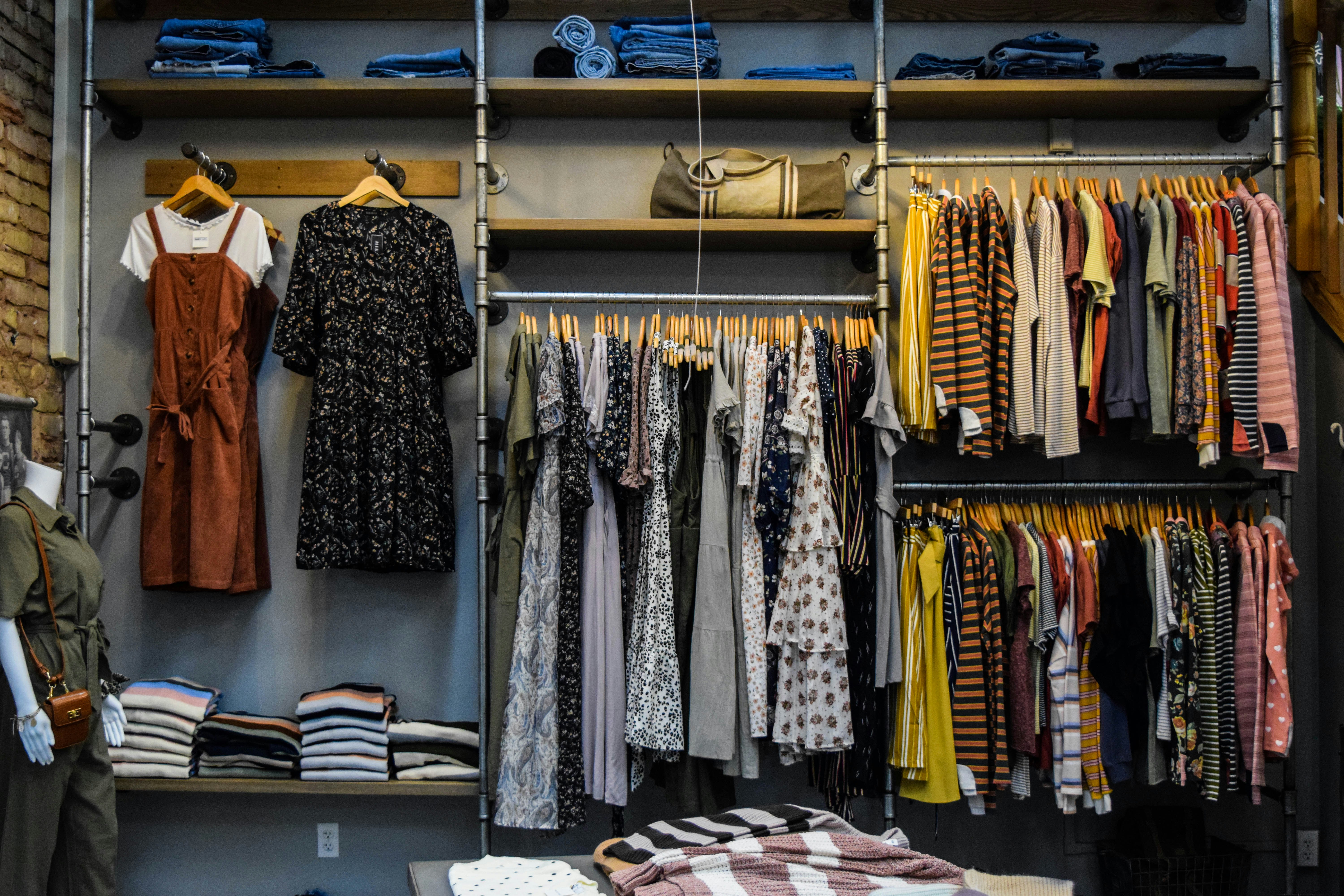
DeeDee* parked her white Cadillac in her usual spot, the fire lane. Perfectly coiffed and lacquered, she pushed through the double doors, entering the restaurant lobby. She dumped an assortment of luxury shopping bags from Neiman Marcus and Lord & Taylor on a chair.

I was assaulted by an uninvited whiff of DeeDee’s expensive perfume. Her face was layered in Lancome. DeeDee favored bright red nail polish and glossy lipstick. Her short brown hair was poofy, chiseled and shellacked, each strand cemented in place. 

“I’m so exhausted,” DeeDee said. “I’ve been shopping all day at Cope-Ley place in Boston. I bought three dresses for $100 each and two pairs of shoes for $60 each, and, and…”

It was 1985. Envision an internal eye roll in my 20-year-old body. I feigned sympathy for her self-imposed affliction: CCF – Conspicuous Consumption Fatigue.  

Self-talk chattered in my mind:  “Yup. Sure. Whatever, DeeDee. Actually, it’s Copley Place, named after John Singleton Copley, the 18th c. portraitist. But then, you wouldn’t know about him. Why, exactly, are you telling ME, your lowly employee, about your gluttonous shopping spree? I prefer museums. I’m only working here to earn my next tuition payment.” 

I was a few hours into my ten-hour shift at Demitri’s Surf and Turf. I started working there at fourteen as a “Hat Check Girl.” Six years later, I was hostessing. I could be bussing, waitressing, selling cigars, or hanging customers’ heavy mink coats. I was there so much; customers thought I was related to the owners. 

DeeDee plopped her enormous Gucci bag at the register and extracted her wallet. I knew the drill. She favored “crispy” cash. She splayed tens and twenties on the counter that lacked adequate crispiness. I opened the cash drawer, trading “crinkly” for “crispy” banded-at-the-bank bills.

When you worked at the restaurant where your dad moonlighted, you did what you’re told. I didn’t make waves. I didn’t smoke Marlboros with the older waitresses, escapees from failed marriages, outside the kitchen door. I lied when wives of my father’s customers — car salesmen bent over their beers — called at dinnertime to ask, “Is Marty there?” “Is Joe there?” I ignored wedding guests snorting cocaine in the chandeliered Ladies Room. 

I watched. I listened. I learned.

DeeDee’s husband Demetri, a Greek immigrant with a seventh grade education, built his fortune shucking clams and boiling lobsters. He could be kind. He once handed my sister cash when noticing her work shoes were worn. Demitri could also yell and throw dishes. I feared and felt sorry for him working in the hot kitchen while DeeDee sated her appetite for retail gluttony.

I asked Demitri for a night off to attend Junior Prom. “No” he said and walked away. I hid in the coatroom, crying, and got a nosebleed.

The waitresses formed a posse and marched into the kitchen. Alyne, the bravest one, pointed out to Demitri I was there every weekend and every holiday. I even showed up with a sprained ankle, limping around the dining room with an Ace Bandage, lugging heavy trays of dirty dishes to the kitchen. Customers would ask. “Are you OK?” Demitri relented. I went to Prom.

DeeDee and Demitri lived in an extravagant mini-mansion with their young son. There were gold-plated bathroom fixtures, wall-to-wall turquoise carpeting, and crystal doorknobs. I was never inside their home; DeeDee made a point of boasting to me, a working class kid, about it. 

I once asked DeeDee if I could leave early to study for a next-day, mid-term exam. DeeDee agreed, then her friends showed up. She sat down to dinner with them, abandoning me to run the lobby. Cue: Another round of tears in the coatroom.

DeeDee grew up working class like me. I opted to attend college. I suspect she resented my ambition. 

I resented DeeDee’s casual causticness, acting superior while embodying Nouveau Riche garishness. Among her DeeDee-isms:

  • “You don’t have to thank her,” she told her young son as a waitress delivered his free meal in the restaurant’s dining room.
  • “No employee is irreplaceable.” Gosh, why was it so hard to get a night off?
  • “Throw this away” as she handed me the job application of a young Black woman who stopped by.

The ultimate DeeDee-ism, one which left a deep and enduring impression, requires explanation.

A study abroad scholarship propelled me overseas, leaving behind the smell of lobster carcasses and DeeDee’s excessive perfume. I returned to work at the restaurant that summer. Charlie and Mary, regular customers who’d gifted me a Bon Voyage card and $15 before my trip, arrived for dinner.

“It was so lovely to get your postcard,” Charlie said. 

“How was your trip?” Mary asked.

DeeDee reached past me, grabbing menus to seat them and muttered under her breath, “Some people send postcards; I buy dresses.”

Yup. Yes. Indeed. 

*Names changed to protect confidentiality

Dear Cecylia: A Mother’s Parting Gift

Dear Cecylia,

I didn’t know you. You met my daughter, your lab’s summer intern with the Polish first name. You suspected our family might be able to help. 

I still remember Aleksandra saying, “Mom, there’s this Polish scientist in the lab. She has cancer. She wants to know if we want her Polish books.”  It was summer 2015. We just downsized to a townhouse. My husband and I spent winter and spring mired in the tedium of choosing which possessions to keep, donate, recycle or trash.

Trimming our books proved complicated and emotional. Save Aleksandra’s picture book from a beloved, long-deceased great aunt? Toss Homer’s Odyssey from freshman year? Keep the dusty travel tomes that belonged to my husband’s mother, another single mom, who dreamt of visiting Europe but never made it?

You knew you were dying. Fate abandoned you on the losing side of a battle with cancer. As disease consumed you, you dispensed with the material aspects of your immigrant’s life. This would be your parting gift to your young adult sons. You couldn’t spare them grief from losing their mother; you could neatly tie up loose ends.

I declined your offer. You persisted. Aleksandra persisted with, “Mom, she seems pretty desperate. Can you help?”  I felt pressured. I also felt guilty. How could I not grant a wish to a dying mother? 

I investigated options. Was there a library somewhere that accepted Polish language books? No luck. I relented, agreeing to take “three boxes,” trusting I’d figure out something.  

I remember pulling up to your condo in Colchester with Aleksandra, three empty boxes in my trunk. Your eyes were a deep blue like by Babcia (grandmother). I sensed your desperation…and relief.  You said you’d “already packed the books.” 

There were so many boxes. 

I experienced an emotional cocktail of grief and compassion with a twist of frustration. I thought: “What am I to do with these?” You explained that your sons did not want these Polish books.

Aleksandra helped me unload the boxes at home. They “lived” in our garage before I found time to go through them. Turns out these books were stamped with the insignia from the personal library of a once-famous Polish photographer and political dissident from Wroclaw who was forced to leave Poland amid communist crackdowns. 

Wroclaw? Had your family also been deported in cattle cars to this former German, now Polish region, after World War II? Did we share roots in Western Ukraine, when it was part of Poland, as so many in Silesia do? 

You, Cecylia, earned your Master’s Degree at the polytechnic in Wroclaw. I don’t know how you came to possess these books and how this carefully curated collection encompassing Polish history, art, literature, photography, and film made its transatlantic journey.

The emotional weight of what to do with this trove outweighed actual physical weight. Polish libraries and archives were bombed and burned during both world wars. So many Polish intellectuals were targeted and murdered by German and Russian occupiers during WWII and, post-war, by the Soviets. 

These books represented the output of a precious, threatened resource. These boxes of books suddenly felt more valuable.

Efforts to rehome the books failed miserably. Keeping them was not an option. I, like you,  Cecylia, am committed to not overburdening Aleksandra, with personal detritus of my life, once I’ve expired.

This is my confession to you, Cecylia, if you can hear me, 11 years after your death: I pulled out every book, read every title and author’s name, flipped through the pages, and created a small pile of “keepers.”  

I then drove to the dump and began placing the books in a designated recycling bin. I cried as I did this. I cried for you. I cried for your sons. I cried for the looting, death and destruction of so many cultural treasures of my parents’ homeland. 

An employee working nearby, the one who used to give Aleksandra lollipops on our weekly dump runs when she was little, asked, “Are you OK?” Then, I told him about you and Poland and deep grief. 

I did my best, Cecylia. I hope you can forgive me.

One of the books I kept was by Grazyna Lipinska, a Polish educator who risked her life fighting  in the Polish underground during WWII. The book is titled, Jesli Zapomne o Nich (If I Forget About Them).

I will not forget about you.

________

Follow my blog at https://presenttime.blog/

Uncle Tomek

Uncle Tomek winked his eye, offered a mischievous grin, and gestured for Aleksandra to follow him. I trailed behind, curiosity piqued and mind prepared to translate my uncle’s Polish to my five-year-old daughter’s English.

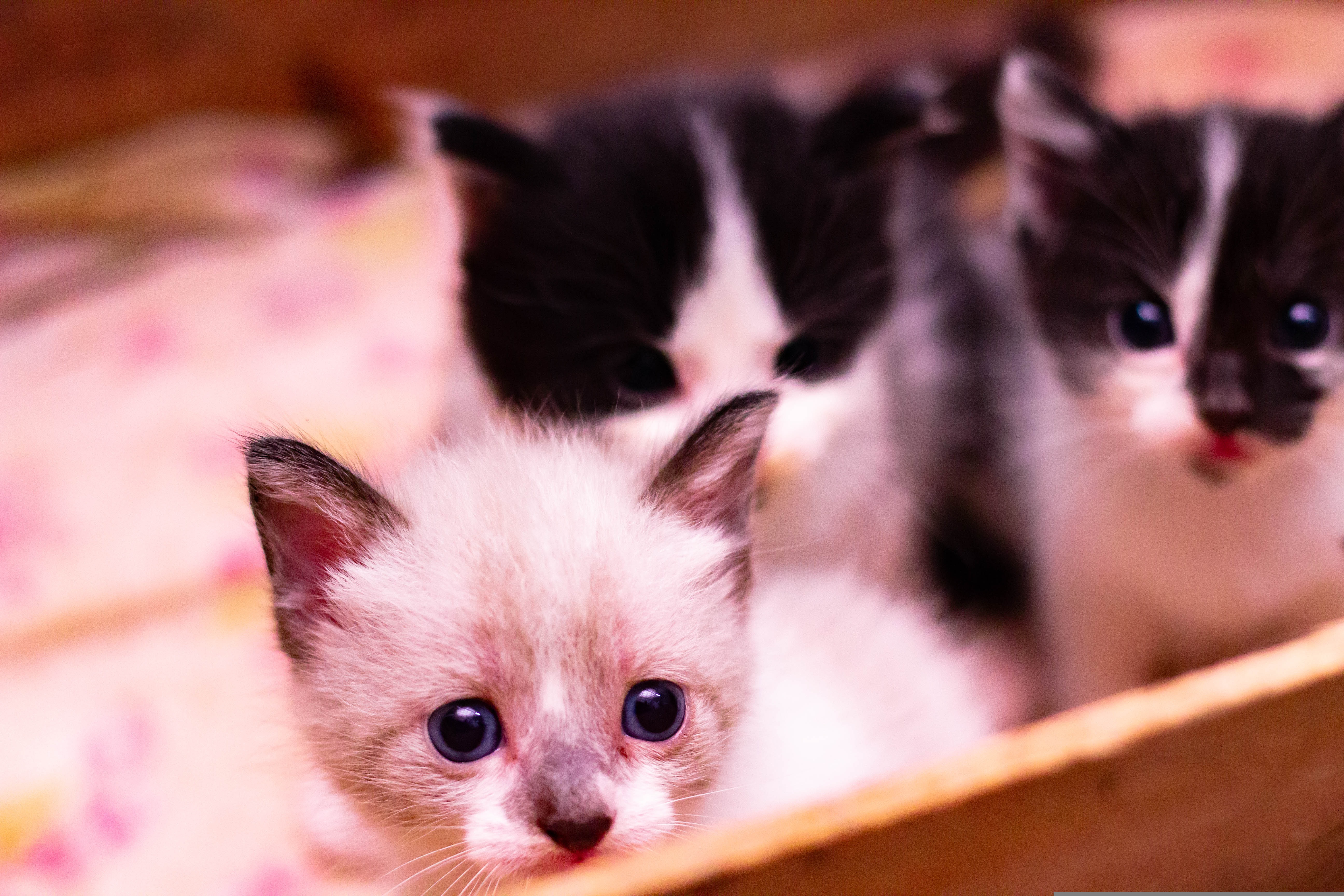
We followed Tomek to the bedroom he shared with my Aunt Genia, my mother’s oldest sister. Tomek knelt down and slid a small, cardboard box out from underneath the bed. What did we see? A brand new momma cat surrounded by mewling kittens. Tomek modeled gentleness, caressing the newly-arrived felines. Aleksandra followed, dipping her little hand into the warm, purring fuzziness. Shared delight and wonder transcended any linguistic barriers.

Tomek loved animals. He worked as a veterinary technician, riding his bicycle or getting lifts from farmers to tend to ailing cows, horses and goats on nearby farms. At home, he favored dogs, small breeds – terriers or pugs – and took pride in training them well. Tomek reveled in giving his LITTLE dogs BIG names like Cesarz (Emperor) and Tyran (Tyrant). He loved cats, too, as evidenced by the box under his bed.

Tomek and Genia built their beautiful, tidy home in Radgoszcz, a small farming village in southeastern Poland during the communist era. Securing cement and rebar amid chronic shortages required tapping into Poland’s then-black market. My uncle designed an advanced heating system. My aunt hand-stenciled walls in traditional Polish nature motifs and sewed lace curtains. I loved visiting them when I was a university student in Krakow. “My” room had a balcony overlooking their fruit trees and garden.

Tomek and Genia also shared a wonderful sense of humor. I loved witnessing their light-hearted banter. They cared deeply for each other. Tomek and Genia were unable to have children. My uncle once told me, “If we’d been able to have children, I’d have hoped to have a daughter like you.” Tomek & Genia taught me what it meant to be a loving aunt and uncle. Growing up in the U.S., I had no aunts, uncles, cousins or grandparents on the continent. Tomek and Genia helped fill a void I didn’t know I had.

Tomek would tease me that I talked too much during dinner. “The table is for eating,” he’d say. “We’ll enjoy conversation with tea and cake in the kawiarnia after dinner.” Kawiarnia means “cafe” in Polish – this is what Tomek called their living room. 

My aunt and uncle were good people. They worked and tended their garden. They helped their neighbors. Genia packed homemade sandwiches and jars of compote made from plums or strawberries for my journey back to school. Tomek, a man of precision, gathered eggs from their coop, wrapping them in elaborately engineered “constructions” of paper and string designed to withstand my cramped bus and train ride back to Krakow. 

Tomek was thirteen years old when Germany invaded Poland on September 1, 1939. Within weeks, Radgoszcz experienced brutal German occupation and pacification. Tomek’s father, Jan, was a politically active farmer before the war, striving to improve standards of living for the community. Jan and Tomek joined the Polish underground as father and son, risking their lives to disrupt German occupation via covert acts of sabotage. 

Tomek’s father died at Auschwitz. Jan was arrested in the spring of 1943 and murdered by the Germans within weeks. My uncle never spoke to me about his father and the immense loss he endured when just a teenager.

I am left wondering why, during the 2026 International International Day of Commemoration in Memory of the Victims of the Holocaust, German Diplomat and President of the United Nations General Assembly, Annalena Baerbach, acknowledged the suffering of  the Jews, Roma, Sinti, LGBTQ+ and people living with disabilities BUT LEFT OUT POLES. See text: https://www.un.org/pga/80/2026/01/27/pga-remarks-at-holocaust-memorial-observance-2026/

Annalena neglected to mention that Poles were the SECOND LARGEST GROUP OF DEPORTEES TO AUSCHWITZ, after Jews. An estimated 140,000-1500,000 Poles were sent to Auschwitz, with 70,000 dying there. Comparatively speaking, an estimated 21,000 Roma and Sinti and an estimated 15,000 Soviet prisoners died at Auschwitz. 

Clarifying this loss of life does not diminish recognition of the enormous loss of Jewish lives, estimated at 1 million, at Auschwitz. Actually, it provides a more accurate picture of the magnitude of German crimes.

I am left to wonder WHY German acknowledgement is lacking. My suspicion? Germans were socialized to believe Poles were untermenschen (subhumans) during WWII. Might it be that they have difficulty shaking this dehumanizing prejudice?

Jan Gondek, my Uncle Tomek’s beloved father, was living a life of meaning. He, too, deserves acknowledgement of his murder at Auschwitz.

Unacknowledged harm reverberates like so many waves of sadness, across generations. Annalena could have done better.

Source: https://www.auschwitz.org/en/history/auschwitz-and-shoah/the-number-of-victims/

I invite you to follow my blog at https://presenttime.blog/

Still Standing: An Enduring Warsaw Cafe

It was a sunny, breezy morning in Warsaw. The Heat Dome which would soon engulf Central Europe in steamy, perspiring heat had not yet arrived. Our brunch reservation was at 11:00. This was a brunch at a special hotel, delayed six years by the COVID-19 Pandemic.

True to form, I woke early, showered, dressed and emerged from our hotel on Grzybowska Street. My departure cleared a path to the one bathroom shared with my sister Chris and her fashion-attentive son who is entering his senior year of college. I’m a bit more “wash and wear.” Joseph met us in Warsaw after completing a semester abroad at FAMU, the renowned film school in Prague. 

Walking Warsaw’s streets along with Monday morning commuters, I was struck by the youth, the pace, and the sartorial displays. Young women with perfect hair and subtle make-up navigated sidewalks in sleek ensembles; young men sported fine shoes and crisp, collared shirts. These young professionals were accessorized with ear buds and the occasional, tasteful tattoo. Middle-aged folks like me were trying to keep up — appearances and momentum. I suspect my “sensible shoes” stuck out, just a little.

It seems impossible to believe that this vast, beautiful, tree-lined city, with Paris-like boulevards and stunning architecture was reduced to rubble and ash in WWII. By war’s end, German forces leveled the city, leaving approximately 85% of this Central European capital city destroyed. (Comparison: Approximately 20% to 30% of London was damaged or destroyed during the Blitz.) Ninety percent of Warsaw’s historical monuments and 100% of its bridges were destroyed. 

Warsaw’s pre-war population was 1.3 million in 1938. It’s estimated that 700,000 to 800,000 residents died during WWII. This represents a range of 53.8% to 61% loss of life in the capital city. Jews comprised an estimated 10% of Warsaw’s pre-war population

Thousands upon thousands of Varsovians – including those who participated in the Warsaw Uprising of 1944*, the single largest military effort by a European resistance movement during World War II – lay buried in the rubble. Unlike Berlin, there would be no Marshall Plan money from the United States to assist in rebuilding. Poles paid a tax on every single box of matches sold in the country, for decades, to pay to rebuild their capital city. Areas of the city were referred to as Dziki Zachod – the Wild West – into the 1960s as rebuilding continued.

What if our capital, Washington, DC, was reduced to rubble? Imagine the majestic Lincoln Memorial a battered, incongruous heap of granite and marble. Think of the vast holdings of the Smithsonian. Picture the 45.52-carat Hope Diamond or the Napoleon Diamond Necklace, scattered in pieces amid broken glass with security alarms screeching — and looted by an invading army? Warsaw lost its people;  its cultural treasures; and its basic infrastructure of roads, bridges, heat, hot water and sewage. All had to be rebuilt in a truly Herculean effort.

I scoped out our brunch meeting place with time on my hands. I entered the vestibule of the nearby Visitation Sisters’ Church of St. Joseph intent on quiet meditation. The original wooden church, dating from 1660, was replaced by a stone structure, with Baroque and Rococo elements, completed in 1763. I heard the sound of a vacuum and noted a layperson at work inside. The sanctuary was closed. It was Cleaning Day.  

That’s when I found the Secret Garden. An adjacent doorway attached to the church revealed a serene, walled oasis, sans the hum of the city. I passed the cream colored klasztor – convent – built in 1654, flanked by creamy white roses and sculpted bushes. The resident cat, a gray tabby with amber eyes, followed me around before disappearing in the undergrowth. I was treated to mini-daisies, beautiful purple berries I could not identify, and a vegetable garden with three long rows of tomato plants. A bench under a larch tree invited visitors to sit. I walked deeper into the garden, passing an open window from which emanated a radio broadcast. Small ornaments made of stained glass — a ladybug, a religious image of Our Lady – were suspended on an upstairs window. I didn’t see a single nun. Did they notice me, I wondered? 

I hold in my heart a fond memory of staying with cloistered, Benedictine nuns in Warsaw in 1985. We communicated via hand-written notes on a Lazy Susan in our guest room. I learned then that these nuns shut themselves away FROM the world in order to focus on praying FOR the world.

My sister met me for our brunch reservation at the very elegant Cafe Bristol. Joseph overslept, as a young person might do. I have a “thing” for luxurious breakfasts and brunches at fancy hotels. It’s a way to experience the glitz and glamour without a hefty room charge.

Why the Bristol Hotel? This Art Nouveau hotel with Viennese interiors, co-founded in 1901 by Polish pianist and statesman Jan Paderewski, survived World War 1 and World War II INTACT. This makes its existence a small miracle in Warsaw.

Cafe Bristol was “the place” to be seen in Warsaw during the interwar period. Artists, writers and politicians, women in bell-shaped cloche hats and men in Homburgs, sipped vermouth and aperol spritzes. Then, German occupiers requisitioned the hotel during WWII. It fell under state control during the Communist Era, reserved mostly for party elites and foreigners. The hotel closed in 1981, after years of neglect. The 1989 fall of Communism launched reinvestment and restorations of Polish architectural gems that languished for decades. The Hotel Bristol, with its Viennese-style Cafe Bristol, was meticulously restored and re-opened in 1993. 

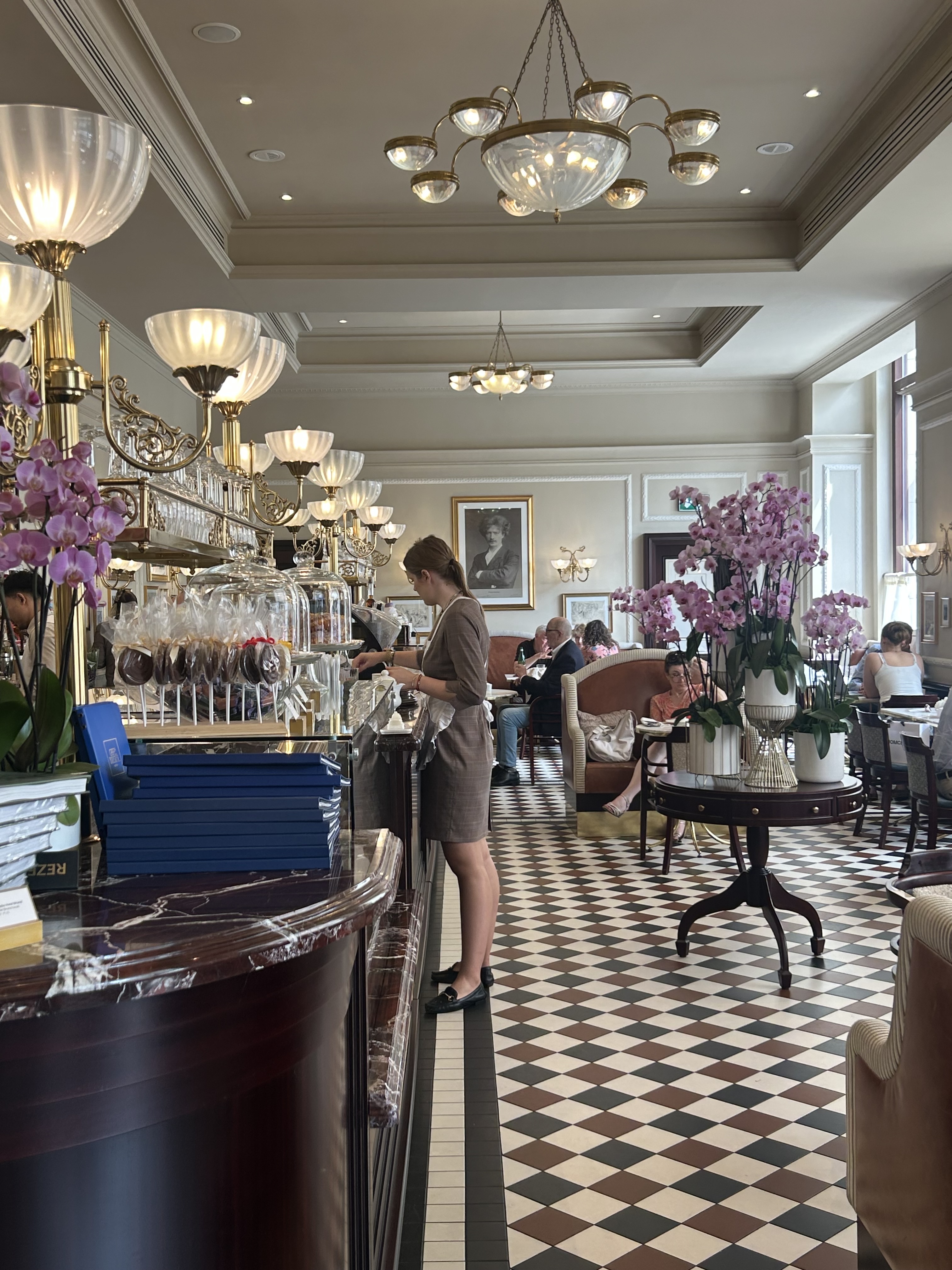
Upon entering the cafe, I noticed the black, copper and white tiled floors. Pressed glass chandeliers were suspended overhead like so many celestial bodies. We were guided to a table by a window, enveloped in natural light amid wood and marble furnishings. It proved the perfect perch to people watch as we dined. We indulged in Cafe Bristol Lattes, topped with real whipped cream, and Turkish-style, poached eggs with yogurt and harissa. We extended the experience by sharing a slice of kremowka  – cream cake – reasoning our planned miles of walking that day would justify the caloric intake. 

The food was excellent. The service was friendly and professional. The place was deeply evocative and STILL STANDING.

* Warsaw Ghetto Uprising was in 1943.

I invite you to follow my blog at: https://presenttime.blog/

Don’t Bother: A Latchkey Burglary

Latchkey:  Commonly used to describe children who come home from school to an empty house because their parents are working. 

After school 

Two Little Girls

Two Sisters

Chris and Me

First Grader, Sixth Grader

She is 6, I am 10

Latchkey kids

Don’t BOTHER Mom & Dad at work

Our two older sisters

Smoke cigarettes

Outside the corner store

Supposed to be watching us

Don’t BOTHER Mom & Dad at work

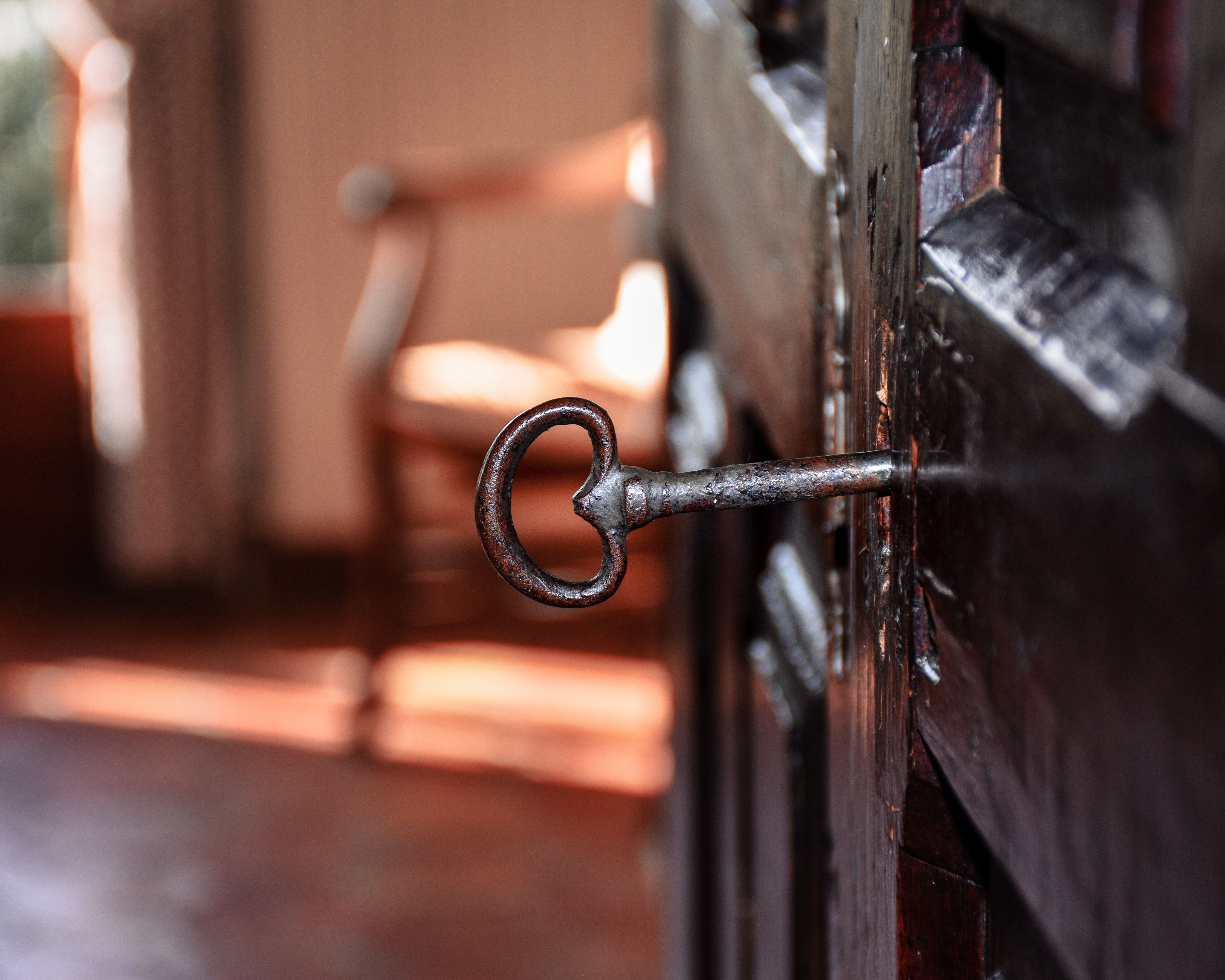
Turned skeleton key 

Wait…the door is open?

Drawers upturned on floors

Disastrous mess

Someone broke in

Don’t BOTHER Mom & Dad at work

We are just kids

We are scared

We dial the Police

Ask officers to walk through the house 

With us

In the basement

In the attic

Don’t BOTHER Mom & Dad at work

Chris & I clean up

EVERYTHING

At 6 and 10

All the mess

All the broken pieces

Don’t BOTHER Mom & Dad at work

Mom & Dad return from work

This happened, we said

We called the Police

We cleaned up

Don’t worry

Everything is OK

Nothing was taken

We found a pillowcase with bits of jewelry on the floor

“Why didn’t you call us?”

We were protective

Of our immigrant parents

Who spoke imperfect English

And worked exhausting jobs for

Little money

We also INSTINCTIVELY knew…

Assembly line jobs 

In factories

Don’t allow for Family Emergencies

Don’t BOTHER Mom & Dad at work

Chernobyl: Forty Years Plus One Day

A soft rain fell in Krakow on Saturday morning, April 26, 1984 —  forty years and one day ago. I was a 21-year-old exchange student studying history at a university in southeastern Poland. I was an “American Capitalist” living behind the Iron Curtain.

I’d been socialized to navigate a communist system where economic hardships and an unjust political system invaded the everyday lives of Poles. I was privileged. I possessed a U.S. Passport emblazoned with a golden eagle. I could leave anytime I wanted. Poles needed permission to travel West. Political involvements were weighed and folks were investigated. Many Poles were denied passports by the government, trapped within their borders.

Shortages of basic consumer goods like toilet paper, razors and batteries prevailed. Like Pavlov’s dog, I’d jump into a line outside a shop and, only after securing my place, ask, “What is in the shop?” A robust queue indicated fleeting presence of highly coveted items. There might be offerings of meat or, perhaps even chocolate, something normally only available via our monthly ration cards. I remember standing in lines for kielbasa with just a few strands hanging on hooks when the stressed and often grumpy clerks announced “Juz, nie ma” —  the equivalent of “All out.” I’d leave the store empty-handed.

I also learned to surreptitiously collect and hide Solidarity’s pro-democracy flyers and newsletters. I sensed they’d be of historical significance when or if communism fell. I’d find them in our shared kitchen in the dorm. I’d slip them into my pocket and tuck them away in the suitcase stored under my bed. I never shared my “collection” with anyone, including my roommate.

Poland’s communist regime, pressed into Soviet lockstep under the weight of orders from Moscow, squelched civil liberties that we as Americans (used to?) take for granted such as free speech and freedom of assembly. The Pro-democracy Solidarity movement was forced underground. If caught with the contraband, I might be deported. My Polish classmates, if caught, might be arrested or forfeit highly-coveted places at the university. The stakes were much higher for them.

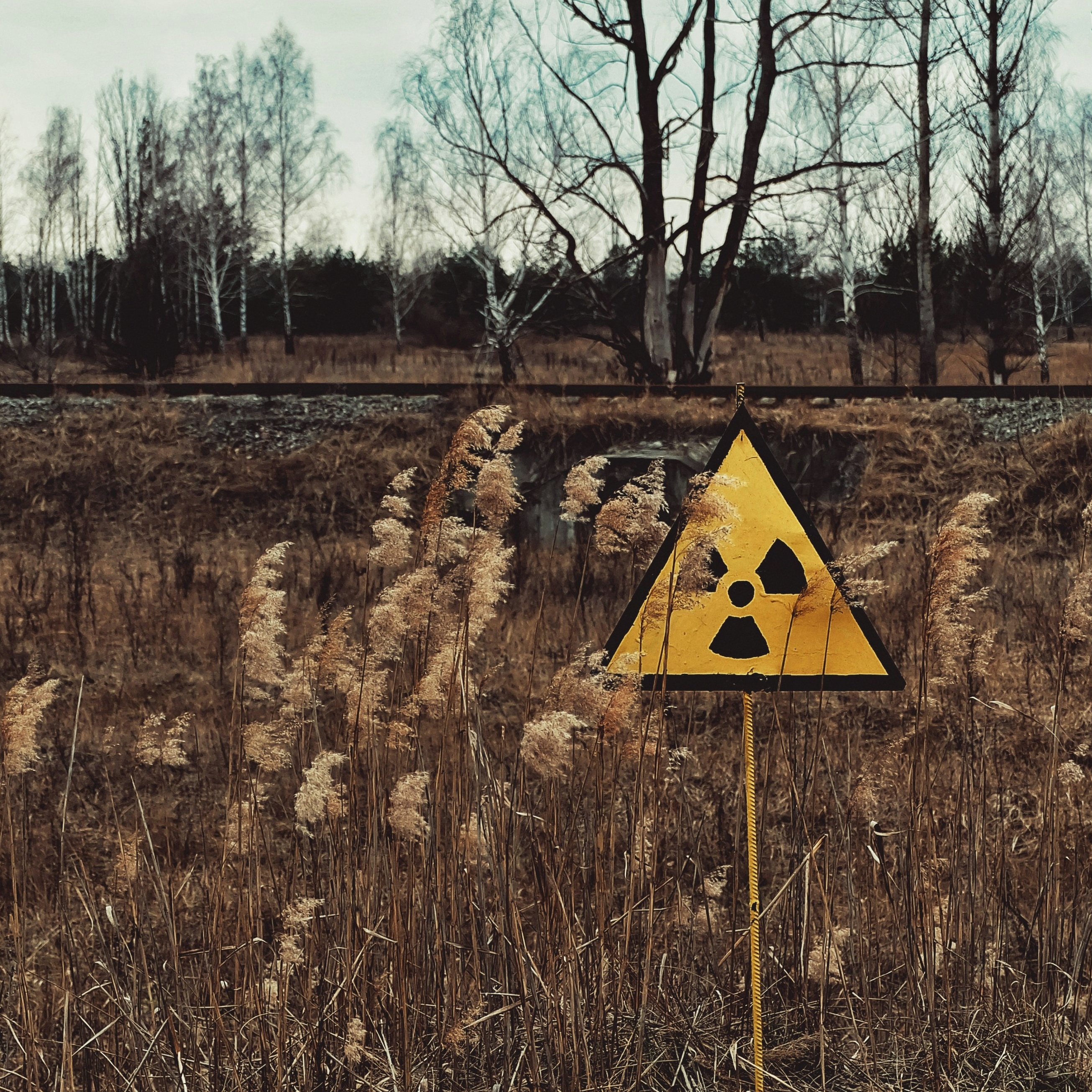
I did not know that at approximately 1:23 a.m. local time, the world’s worst nuclear disaster was unfolding. Five hundred miles northeast, about the distance from Burlington, Vermont to Washington, D.C., a Soviet-built power plant in Ukraine experienced a devastating accident. Reactor #4 at the Chernobyl Nuclear Power Plant sustained a catastrophic meltdown, with an explosion and fire releasing radioactive steam from its core. A massive cloud of Iodine-131 and Cesium-137 floated overhead, directed and dispersed on the whim of the wind. 

Soviet authorities remained silent.

Two days passed. 

The Soviets still remained silent. 

Science does not lie. 

Evidence surfaced.

On the wind.

In the air.

Amid the raindrops.

Eight hundred miles from Chernobyl, radiation sensors at Sweden’s Forsmark Nuclear Power Plant detected elevated readings two days later, on April 28, 1986. That same day, a monitoring station in Mikolajki, Poland, six hundred miles from Chernobyl, noted radiation levels were 550,000 times higher than the day before. 

Sweden was free to sound the alarm and they did, LOUDLY. Poland, as a Soviet satellite nation, could only offer a muted response as radioactive particulate landed on forests, farms, water sources and urban areas.  

The Soviets could no longer hide the accident. On April 29th, three days after the catastrophe, the Kremlin made an announcement. They said that there had been an accident, two individuals were killed, and the situation was “under control.” In reality, firefighters, many of whom would die of radiation poisoning, were trying to quell the flames and cap the devastated reactor to prevent further seepage of radioactive material. There would be far more deaths, including elevated cancer occurrences that continue to this day.

Word spread quickly in the dorm that there’d been some sort of nuclear accident near Kiev (today, Kyiv). I remember the uncertainty, the fear, and the anger I felt. We strained our ears to try to hear Radio Free Europe. Moscow intentionally scrambled the broadcast.  Bits and pieces of audio registered as “major nuclear accident” and “stay inside until radioactive cloud disperses.” Ironically, Radio Moscow, a propagandistic English-language radio station, registered crystal clear, reporting on a dance competition held over the weekend near Kiev, a mere eighty miles away from the plant.

The air felt heavy. The idea of going outside felt scary. I imagined tiny radioactive particles seeping into my lungs. Forty years and one day later, I still wonder about the impact. At least, I don’t glow in the dark. 

I invite you to follow my blog at https://presenttime.blog

Inflection Point

I walked along Basztowa Street as chestnut and poplar trees awakened from winter’s sleep. A sweet soprano voice slipped out a second floor window. I stopped. I listened. Were those lyrics…Russian? I noticed the sign on the building’s entrance: “State School of Music, Krakow Division.” 

I stepped inside and, on a youthful whim, inquired about voice lessons. Could there be a place for this soprano from Massachusetts?

The receptionist eyed me with skepticism. Few Americans hung out behind Poland’s Iron Curtain as university exchange students. I imagined fewer, if any, asked to study at this school. I said I could pay with U.S. Dollars.

“Wait here,” she said.

I sat on the steps, feeling suddenly unnerved by my audacious inquiry. A knock on a studio door interrupted the sweet soprano. The receptionist returned, “Ms. Lehnert asks you to wait.” 

Sonia Jaskula-Lehnert, a plump woman in her fifties, approached, looked me up and down, and said, “Let’s first see if you can sing.” We started with scales.

I dutifully showed up each week for lessons with a crisp U.S. dollar bill — a highly valued, scarce currency traded on the Black Market in 1980s communist Poland. Ms. Lehnert had been a professional opera singer. She demanded precision in posture, breath and articulation. She taught me to roll Rs and encouraged my emerging vibrato. She introduced me to the works of Wladyslaw Zielenski (1837-1921), a Polish composer whose operas incorporated folklore themes. 

Ours was a formal, teacher-pupil relationship and yet, stories from Ms. Lehnert’s life trickled out. She told me she was taken from her family and deported to Germany as a forced laborer during WWII. She spoke of the sheer terror many Polish women felt, at war’s end, of their Russian “liberators” — many of whom brutally raped former female prisoners.

“We hid from Russian soldiers,” she said.

One year later, I was auditioning for admission to the Krakow Conservatory of Music. Ms. Lehnert encouraged me to apply and helped me prepare my piece. If accepted, I’d receive a full scholarship. 

My twenty-one-year-old self preferred living in Europe, even communist Europe; I wasn’t ready to return to “capitalist” America. Was I naive to consider attending conservatory? Yes. Was the idea far-fetched? Yes. Did it feel within the realm of possibility? Yes. I even formulated an elaborate plan in my mind to complete my U.S. degree in summers.

Audition day arrived. I remember the formality. I dressed in black. I handed the accompanist my music and faced a faculty committee charged with evaluating my merit. I felt the weight of competitors at my back as they sat in rows of metal chairs behind me. We vied for highly-coveted scholarships. I don’t remember which aria I sang. I do remember Ms. Lehnert’s words…”posture, breath, articulation.”

“You have a place,” Ms. Lehnert said, weeks later, “on the condition you continue studying with me until term’s end.” 

I was thrilled. I was also immediately ambivalent. Did I receive “extra points” as an American? Looking back, I suspect so. 

I pondered the opportunity. I held immense respect for this teacher who helped stretch my soprano voice. I met with Ms. Lehnert to express my gratitude. I explained how I realized that singing was my passion, my avocation. I believed I was far better suited to becoming a history teacher, who also sang as a soprano.

Ms. Lehnert understood. She respected my decision. We continued our weekly lessons until I returned to the U.S. in June 1986. I graduated from college in May 1987. We met again in 2001 when I visited post-communist Poland with my family. I brought her flowers. We drank tea. I said thank you.

Forty years on, I still carry the valuable lessons Ms. Lehnert taught me…”posture, breath, articulation.”

I invite you to follow my blog at: https://presenttime.blog/

Lucky Penny


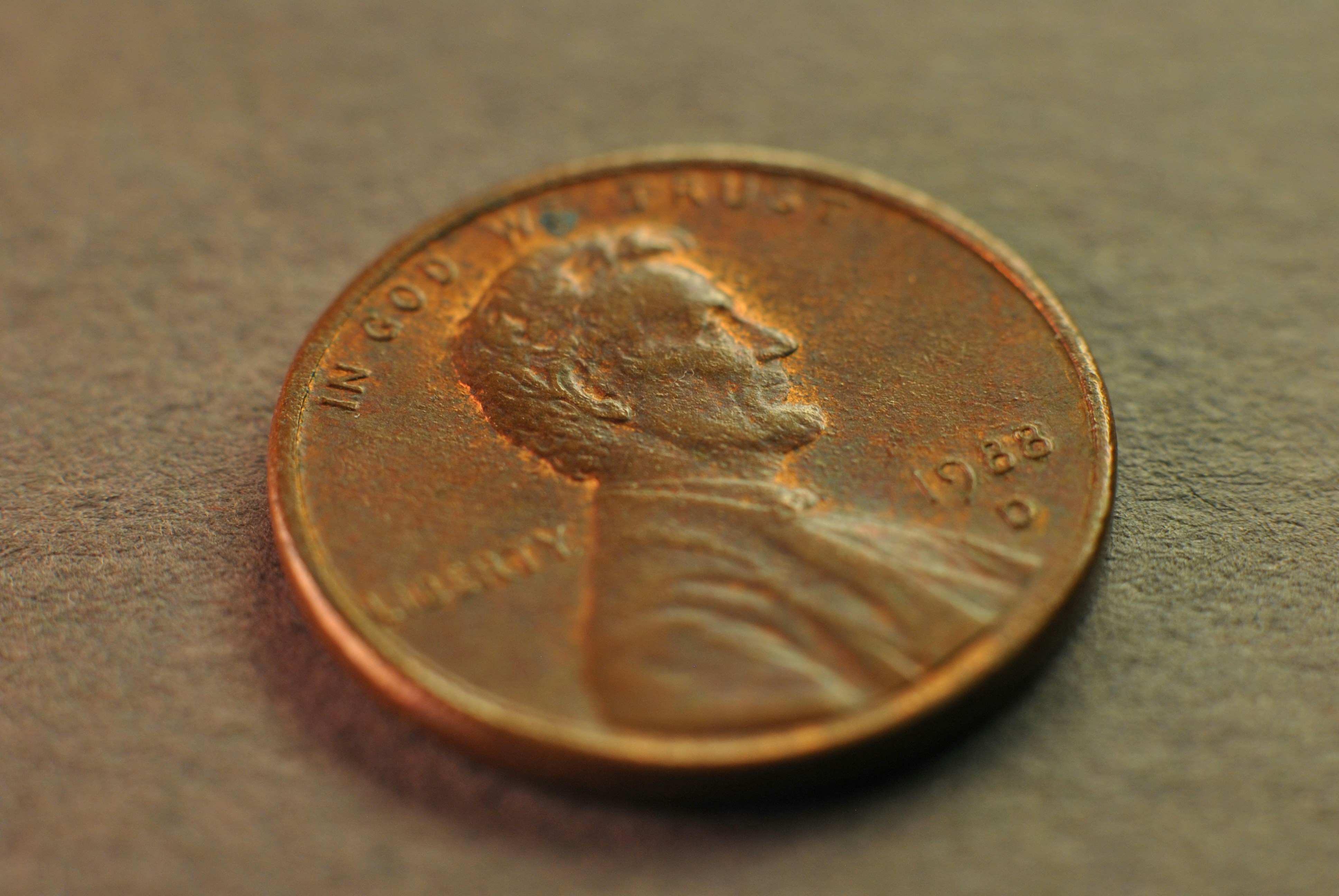
A worn penny, the tiniest of denominations, taunted me to pick it up with an implied offer of bringing good luck. It sat on the carpet beside my left foot. I decided to leave it there for someone else who might need more luck than me.

I was sitting at the hospital, waiting for my husband who was undergoing a battery of tests. I had the easier part, the waiting and worrying part. A life-changing diagnosis finds us travelling out of state for medical appointments. Some illnesses can be cured; the “incurables” can only be “managed.” My beloved husband falls into the latter category. We are doing our darndest to beat back the dragon, to slow progression of a scary neurological disease. Length of life is not impacted. Quality of life might be. Worry and sadness are tempered by the kindness and professionalism of my husband’s interdisciplinary team. 

I bought myself a cup of coffee for $1.50 in the hospital cafeteria. I limped to a sunlit atrium, my right foot healing from a fractured metatarsal. I snagged a table, pulled out my journal and began writing. A parade of patients with canes, walkers and wheelchairs passed by. The word “patient” stems from the Latin word “patior” which means “to suffer” or “to endure.” I noticed the intermingling “healers,” nurses, doctors and technicians dressed in green, mauve and purple scrubs. Then, a sort of “Slim Santa Claus” – with blue eyes and a white beard – whizzed by. Our eyes met briefly and I thought, “Is that…?”

It was a few days before Christmas. A hospital volunteer played guitar and sang carols, occasionally off key. I appreciated her efforts to calm nerves by providing distraction amid stitches, scans, infusions and foreboding tests.

“Slim Santa Claus” passed again and as I looked into his twinkly eyes, I asked, “William?” Yes. It was my friend who moved away to this neighboring state several years ago.

Turns out William, a cancer patient, was awaiting a post-surgical scan. He carried a Poland Spring water bottle repurposed to hold pinkish barium-citrate. His sips were guided by a small piece of paper taped to the bottle, reminding him to drink specific amounts in 20-minute intervals. He was diligent in checking his watch to make sure he didn’t miss a requisite gulp of the strawberry-flavored concoction.

William is a retired special educator and school principal who grew up in a Montreal Anglophone family. Boarding school followed by stints in the Navy and eventual college inspired his deep commitment to his faith and community service. He not only volunteers for humanitarian programs, he’s created them  — small-scale, but nonetheless significant projects to feed hungry neighbors and ease the journey for youth in foster care. 

“At eighty-two, I’m the happiest I’ve ever been,” William said. “I go to the gym. I take classes. I volunteer.” Even with cancer.

William asked about my husband’s illness with deep caring and compassion. He knew what questions to ask and what comments to refrain from. I silently wondered, is such awareness instinctual or must it be learned from experience?

Before parting, we caught up fully on health and, most importantly, life. I reached for the penny beside my foot and handed it to William. “This is your Lucky Penny. May your scan go well.”

The U.S. minted its final batch of pennies on November 12, 2025. The coin’s usefulness in commerce expired long ago. As we begin 2026, I invite you to dig into your change jar and carry a few Lucky Pennies in your pocket for random tossing. You just might be spreading some unexpected joy, helping a stranger, or a friend, to make a hopeful wish.

I invite you to follow the Present Time Blog: https://presenttime.blog/



Veteran’s Day: Soldiers, Known and Unknown

“When this war is over, I’ll travel to Poland, wrap my arms around my wife and daughter, and bring them home to Zaporizhzhia.” 

I caught a train from Krakow to Przemysl, near the Ukrainian border, to visit my paternal grandfather’s hometown. I never knew Wladyslaw Bielawa. What I did know of him was that he was a gentle, hardworking man of great faith, like my Dad. My purpose? Visit military cemeteries in this town straddling the San River. 

Przemysl, founded in the 8th century, is called “Little Lviv” with neoclassical and neogothic architecture associated with the Austro-Hungarian Empire. Przemysl has been invaded, occupied and burned by marauding armies over the centuries; it’s been rebuilt many times. Tatar hordes “passed through” in 1657, raping and pillaging. My sisters were teased in school for their “slanted eyes” — I suspect our family carries expressions of genetic material from Eurasia. For the record, I was the odd sister out, left-handed and with decidedly slantless eyes.

Guided by map and iPhone, with a just-in-case compass in my pocket, I passed tenement houses with intricate wrought iron balconies and decorative elements evoking nature and mythology. Some buildings were beautifully restored in pastel shades of green, pink and yellow. Others embodied a gray, haggard, communist look, presumably awaiting restoration.

I paused in the sanctuary of the Fransican Church. This holy place survived six fires over the last seven centuries. Austrian occupiers turned the church into a stable during the partitions.*  I noticed hints of past grandeur of the 1910 Scheinbach Synagogue, now an apartment building. The Germans turned this house of worship into a stable during WWII. I will write more about what I learned about Przemysl’s Jewish community in a subsequent post. Violating the holy places of Roman Catholics and Jews seemed the invaders’ heinous prerogative. 

I crossed the marketplace square and passed businesses and homes along Slowackiego Avenue, named for Juliusz Slawacki, a 19th century Polish Romantic poet. I found the cemetery, entered its arched gateway and walked past elaborately decorated civilian graves — All Saints Day was November 1st — en route to the military burial sites. I paused to read some of the names and was struck by the graves of little children that spanned the upper wall, dividing eternal resting spaces for civilians and soldiers. The little ones’ epitaphs mentioned Heaven gaining new angels.

I found WWI Austro-Hungarian soldiers graves under a canopy of trees as late autumn leaves fell around me. Worn by time, the crosses yielded no perceptible names. My grandfathers, as Polish subjects of the Austro-Hungarian Empire, were drafted in WWI to serve the Emperor’s military whims conceived in faraway Vienna.

WWI ended at the eleventh hour on the eleventh day in the eleventh month of 1918. Empires collapsed and new, independent countries, including Poland, Czechoslovakia and Hungary emerged from the rubble. Redefining borders sparked conflicts. I visited the graves of Poles who died in the Polish-Ukrainian War of 1918-1919. My paternal grandfather was among the ranks of Poles who fought Ukrainians over control of Eastern Galicia. Names like Jan, Przemyslaw and Mieczyzlaw were etched into the stones.

I visited the elaborate, walled necropolis of WWII German soldiers’ graves. There were no flowers, just stade elements in black, white and gray marking where the remains of an estimated four thousand German soldiers were buried. 

So many soldiers. So many buried as “unknown.”

I stopped in a cafe for a pot of black tea and a slice of Szarlotka, sampling the local variation on Poland’s ubiquitous and delicious apple cake. This version was “z beza” topped with meringue, something I first experienced in a Ukrainian cafe in Krakow. 

I arrived early and sat in the waiting area of  Przemysl’s railway station. Archduke Charles Louis christened the palace-like structure in 1860. It’s been beautifully restored with soaring ceilings, frescoes, and the occasional chandelier. The station has been a major transit hub for Ukrainians since Russia’s 2022 full-scale invasion. The Help Desk for Ukrainians was staffed on this Saturday night.

My train pulled into the station for boarding. My phone was nearly dead. The only proof of my ticket purchase would flicker off at any moment.  I asked my compartment-mates in Polish and English  if there were any plugs. It turned out they were Ukrainians. They got up to help look. With no plugs to be found, the forty-something man on my right — he had the longest eyelashes — pulled out a portable power bank from his backpack and handed it to me. I had no idea how far he was travelling (From Lviv? From Kyiv?) and didn’t want to deplete his source. He gently insisted. My phone quickly juiced up. I flashed my ticket with ease when the conductor came around.

“Where are you travelling?” I asked the man.

“I’m travelling from Zaporizhzhia,” he said in an Eastern-Ukrainian dialect that was hard for me to understand. 

Images of the war flashed in my mind. I’d read about Russian attacks on Zaporizhzhia. I remember it hosts a massive nuclear power plant.

Kateryna, our fellow compartment-mate, spontaneously helped further my communication with her compatriot. She’s Ukrainian and has been living in Poland with her daughter since before the full-scale war. She speaks Polish fluently.

“I’m on leave for two weeks,” the soldier said. “I’m visiting my wife and daughter Anastasia (Nasta). They’ve been living in Poznan.”

I noted his clothing was not at all military — no camouflage, no duffel bag. He was dressed all in black with a North Face hoodie and black sneakers. He  was a journalist before the war and, most recently, worked in marketing. He now shoots down lethal Russian drones over Zaporizhzhia. He said Russian troops were just outside of his city. 

I asked if his wife and daughter felt well-treated by Poles. This matters as my father was a war refugee in the U.S. Some Americans treated him kindly. Some were pretty horrible and demeaning, telling him to “go back to where you came from.” (If you know history, you know he had no “home” to return to.) The soldier confirmed that Nasta and her mom felt safe and welcomed in Poznan. Nasta evacuated to Poland at fifteen and is now eighteen. Her father proudly said she quickly learned Polish and is doing well academically at her high school.

I realized this soldier was tired. I thanked Kateryna and him for the conversation and settled in to write in my journal. My train neared Krakow’s main station. I quietly removed a fifty-zloty note from my wallet and, as I exited the compartment, handed it to the soldier, encouraging him to  “treat Nasta to ice cream, on me.”  I wished him safety. I wished victory for Ukraine.

I realized I never learned his name.

*Poland was partitioned three times over the course of its history. The third partition, by the Russian, Prussian and Austro-Hungarian Empires, lasted from 1795 to 1918. Poland was wiped off of the map.

I invite you to follow the Present Time Blog: https://presenttime.blog/